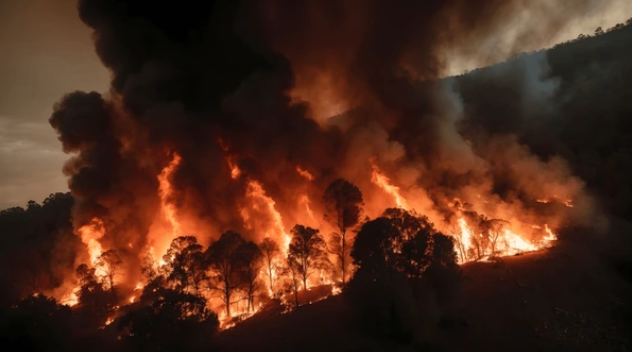
While these events may appear distinct, they are in fact closely connected. Heatwaves dry out soils, drought weakens ecosystems and reduces water availability, while vegetation under stress becomes more vulnerable to fire.
Together, they reveal a growing reality: water resilience is now one of the key challenges facing communities, infrastructure and public services.

One climate crisis, multiple consequences
Heatwaves, droughts and wildfires are often discussed as separate events. In reality, they are closely interconnected.
When temperatures rise and heatwaves persist, soils lose moisture more rapidly and water resources come under increasing pressure. As drought conditions intensify, vegetation becomes drier and more vulnerable, creating ideal conditions for wildfires to start and spread.
This chain reaction is becoming increasingly visible across Europe. Territories once considered less exposed are now facing unprecedented levels of water stress and growing wildfire risks, highlighting how climate change is reshaping the relationship between water, ecosystems and communities.
In this changing environment, water is becoming more than a resource: it is a cornerstone of territorial resilience.
Anticipating water stress before it becomes a crisis
As climate pressures intensify, anticipation becomes essential.
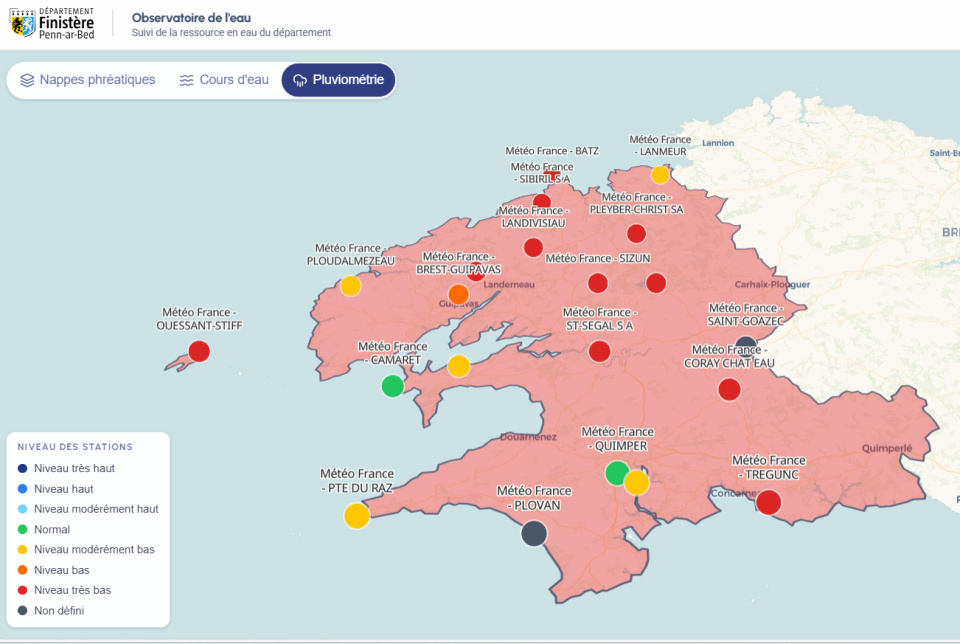
To help local authorities better understand and manage their water resources, our subsidiary ImaGeau developed the Finistère Water Observatory (region in Britanny, France), a public platform providing real-time visibility on groundwater levels, river flows and rainfall data.
The initiative emerged after the historic drought experienced by the department in 2022, a turning point for a territory traditionally considered less exposed to water scarcity.
By making environmental data accessible and actionable, the observatory enables decision-makers to detect warning signs earlier and adapt their strategies before tensions on water resources become critical.


Supporting those who protect communities
Yet data alone is not enough.
As climate-related risks increase, resilience also depends on people, partnerships and preparedness.
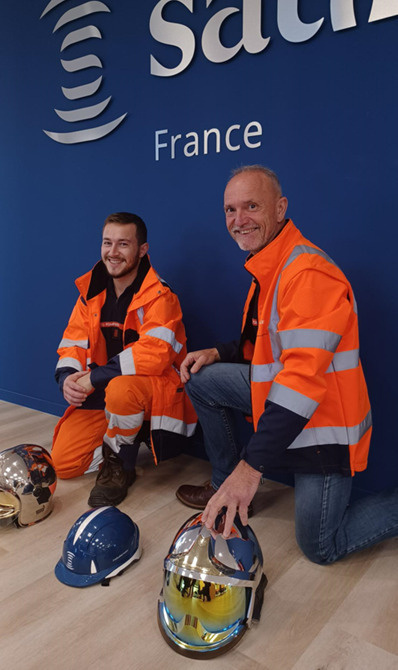
This is why Saur supports employees who serve as volunteer firefighters through a national partnership with France’s departmental fire and rescue services (SDIS). The agreement helps employees balance their professional responsibilities with their commitment to protecting communities and responding to emergencies.
Throughout the summer, several Saur employees were mobilised across France as volunteer firefighters, putting their expertise, commitment and local knowledge at the service of wildfire response operations and support to affected communities.
These men and women embody a simple reality: adapting to climate change requires collective mobilisation far beyond the water sector itself.
When crisis strikes, action matters
The summer also demonstrated the importance of operational response capabilities.
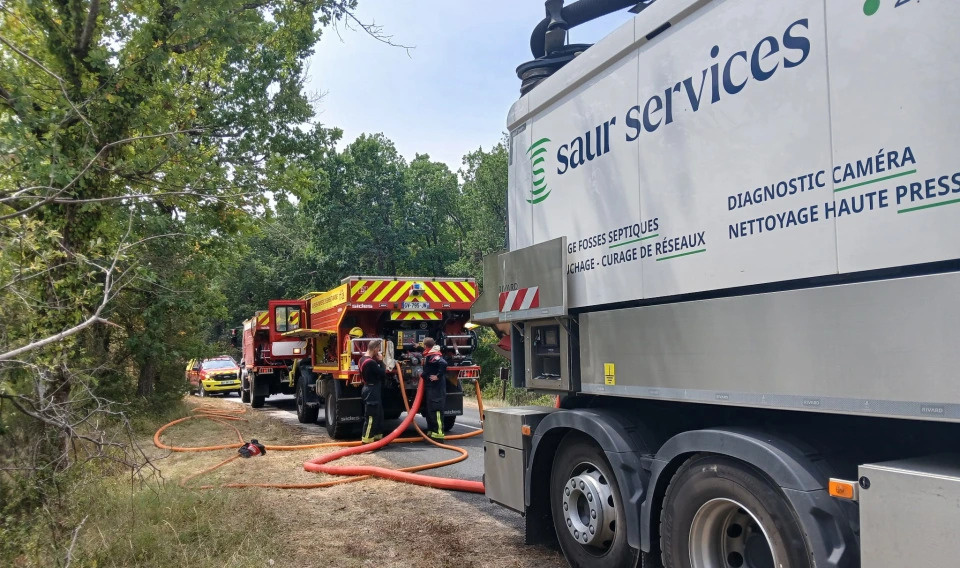
During the wildfires affecting the Fontainebleau area, Saur Services teams mobilised hydro-cleaning trucks to support emergency operations by transporting water closer to intervention zones and helping firefighters sustain their efforts on the ground.
This mobilisation illustrates how water infrastructure and operational expertise can contribute beyond their traditional role, supporting territories when exceptional circumstances require rapid action.
Because during a wildfire, access to water becomes more than a service: it becomes a critical resource for protecting people, ecosystems and infrastructure.

Building resilience for the future
Heatwaves, droughts and wildfires are no longer isolated events. They are interconnected challenges that will increasingly shape how territories manage and protect their water resources.
Meeting these challenges requires more than emergency response. It requires the ability to anticipate risks, strengthen infrastructure, support local authorities and mobilise expertise when needed.
From monitoring groundwater resources in Finistère to supporting firefighters on the front line, Saur contributes to a common objective: helping territories adapt to a changing climate and build long-term water resilience.
Because in a world facing growing climate uncertainty, securing water means strengthening resilience. And strengthening resilience means helping communities thrive, whatever challenges lie ahead.