From climate concept to operational reality
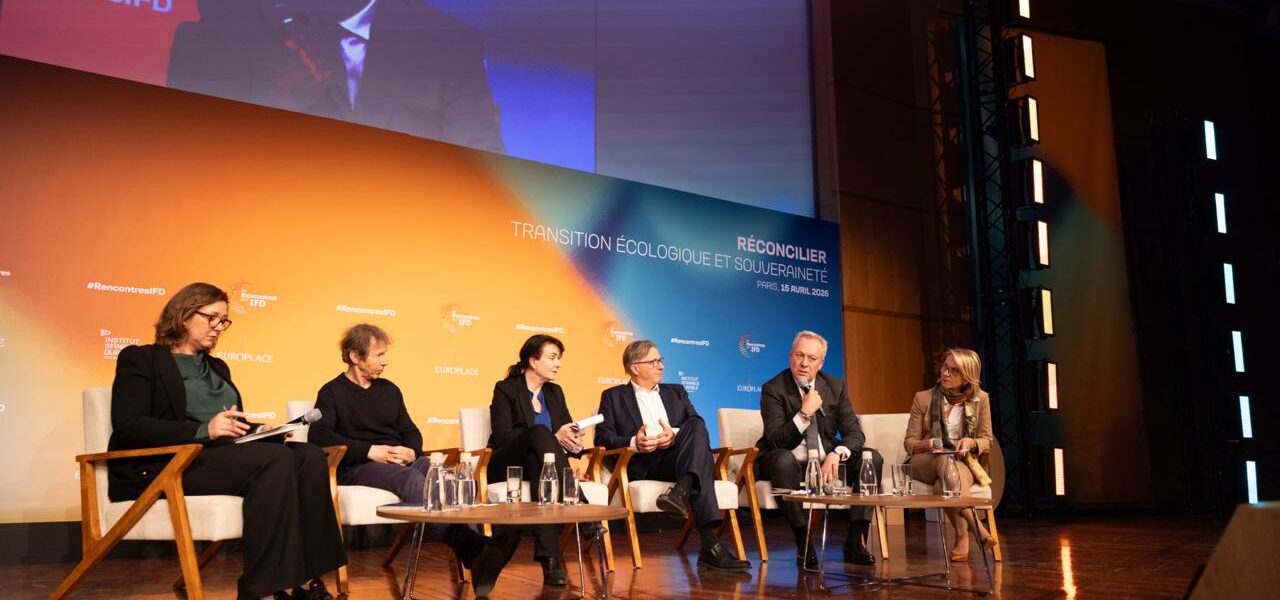
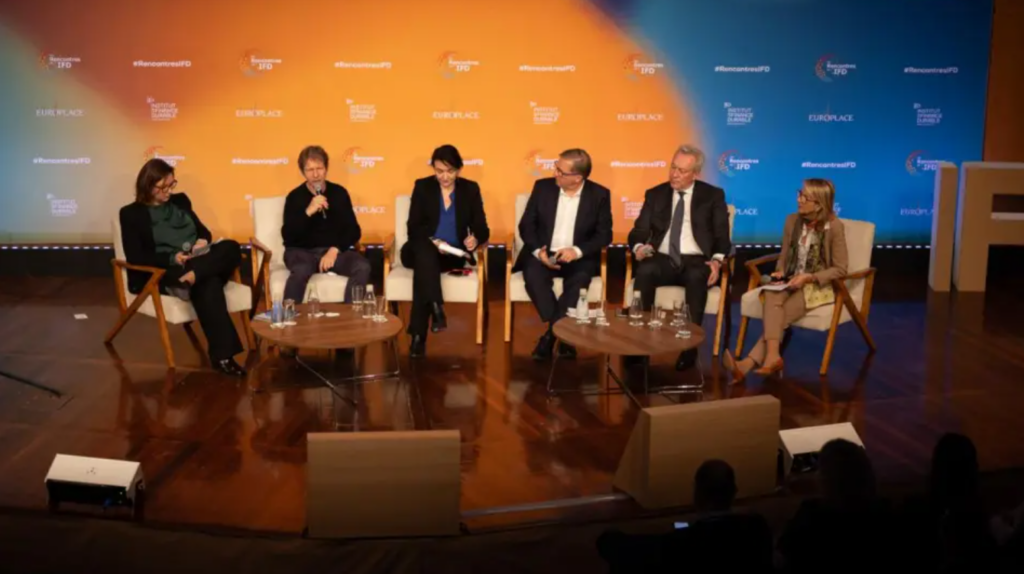
Participating in the closing plenary session on “Regions and businesses: anticipating and financing adaptation to climate change”, Patrick Blethon delivered a clear message grounded in operational experience:
Climate change is no longer a distant scenario, it is already reshaping essential services on the ground.
As a water operator, Saur witnesses daily the tangible impacts of a changing climate:
- Longer and more intense droughts affecting drinking water availability;
- Increasingly violent rainfall events putting pressure on wastewater systems;
- Growing stress on water resources and infrastructure resilience.
These disruptions are not abstract. They directly affect households, local economies and territorial stability.
As highlighted during the discussion, adaptation is therefore not just an environmental issue: it is a matter of service continuity, economic resilience and sovereignty.
Infrastructure resilience: a strategic imperative
Extreme events illustrate the scale of the challenge. During major climate episodes such as storms, water services become critical lifelines requiring immediate and large-scale mobilization.
Saur’s field experience shows that when water systems are disrupted, entire local ecosystems are impacted, from public health to industrial activity.
This reality reinforces a key conviction shared during the IFD discussions: water infrastructure must now be considered a strategic asset, on par with energy or transport systems.
Rethinking adaptation through “Mission Water 2030”
To address these challenges, Saur has embedded climate adaptation at the core of its long-term strategy, Mission Water 2030.
The ambition goes beyond maintaining existing systems. It aims to transform water management models to make them more resilient, predictive and efficient.
This transformation relies on several key levers:
- Integrating advanced data and forecasting tools to anticipate water stress;
- Leveraging artificial intelligence to better manage system complexity;
- Optimizing every stage of the water cycle to ensure responsible use and return to the environment.
The objective is clear: ensure that every drop of water is used where it creates the most value, while preserving natural ecosystems.
Financing adaptation: the rise of blue finance
A central theme of the IFD event was the role of finance in enabling this transformation.
As emphasized by Patrick Blethon, adaptation will not happen without massive investment, and requires financial tools adapted to a world of increasing instability.
Saur has been a pioneer in this field through its use of sustainable finance instruments, including blue bonds, which directly support:
- Infrastructure performance improvements;
- Leakage reduction;
- Resource protection;
- Ecosystem preservation.
This approach reflects a broader conviction:
if water is strategic, its resilience must be financed as such.
Water and blue finance at the core of new opportunities
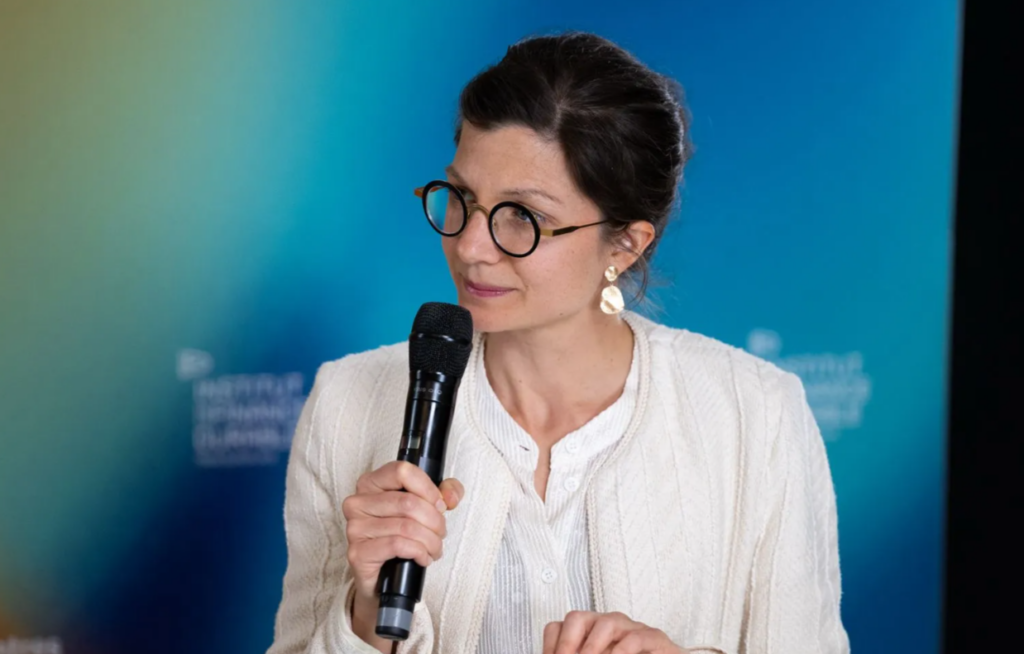
In parallel, Bénédicte Peyrol contributed to a dedicated workshop on “Risk management and new economic opportunities: water resources and blue finance”.
Alongside leading experts from finance, science and public policy, discussions explored how water-related challenges are reshaping risk assessment and investment strategies.
Water is emerging not only as a risk factor, but also as a key driver of innovation and sustainable economic opportunity, at the intersection of climate adaptation and biodiversity preservation.
Local decisions for global resilience
A key takeaway from the IFD discussions is that adaptation cannot be addressed through a one-size-fits-all approach.
Water challenges are inherently local. They require:
- Alignment between available resources and uses;
- Informed trade-offs between agriculture, industry, drinking water and ecosystems;
- Strong collaboration between public decision-makers and operators.
Saur’s role is to provide data, expertise and operational execution to support these decisions, while ensuring long-term resilience of territories.
A continued commitment to the ecological transition
Saur’s participation in the Rencontres de la Finance Durable highlights its active role within the sustainable finance ecosystem.
By contributing its operational perspective and expertise, the Group continues to advocate for a pragmatic approach to climate adaptation, one that connects strategy to execution, and finance to real-world impact.
Because in the face of climate change, water is not just a resource.
It is a cornerstone of resilience, sovereignty and sustainable development.